Cultivating connection in community gardens with Sidra Tea
When Aveen fled Syria in 2011, she left behind her home and much more, but carried with her invaluable knowledge of plants that heal and comfort, passed down through generations of her family.
“It is usual for us Syrians to grow medicinal plants in our home gardens,” Aveen explains. “We have seen our fathers and grandfathers planting thyme, rosemary, lemon balm, sage, Damask roses and many other medicinal herbs for their wonderful taste and scent, as well as their healing properties.”
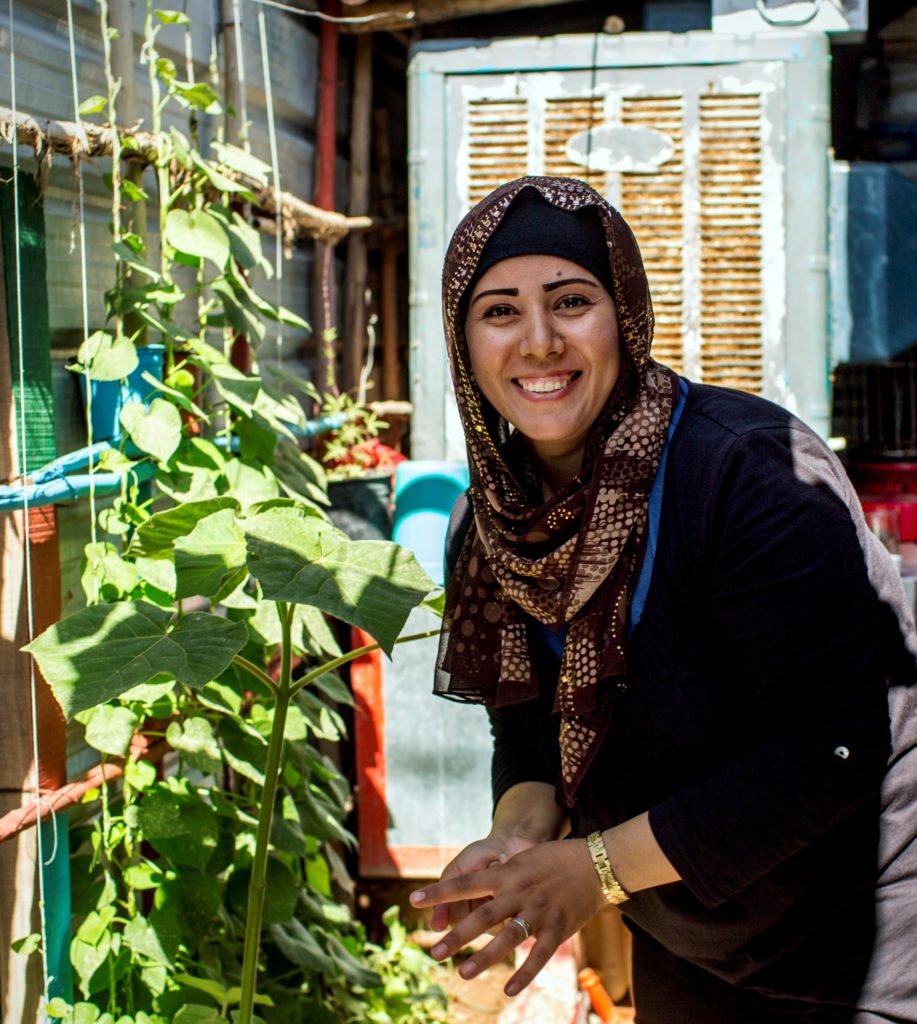
Growing traditional herbs
At our flagship Azadî Community Garden in Domiz 1 camp in the Kurdistan Region of Iraq, Aveen, our operations manager, now draws on this knowledge to grow the herbs her family has trusted for generations. These include the ingredients that make up Sidra Tea – a healing blend she named after her late daughter.
The tea combines herbs chosen not only for flavour but for their traditional healing qualities. Damask rose is traditionally used to calm the mind and ease grief and nervous tension. Lemon balm is known for promoting a natural sense of calm and soothing anxiety. Rosemary has been valued since ancient times for supporting memory and mental clarity, while mint is commonly used to aid digestion after meals.


Making the tea
At the Azadî garden, our team tends to these plants with care, hand-picking ingredients at their peak before gently spreading them on drying racks to preserve their delicate flavours and aromas. It’s a mindful, therapeutic process that supports gardeners with their mental health.
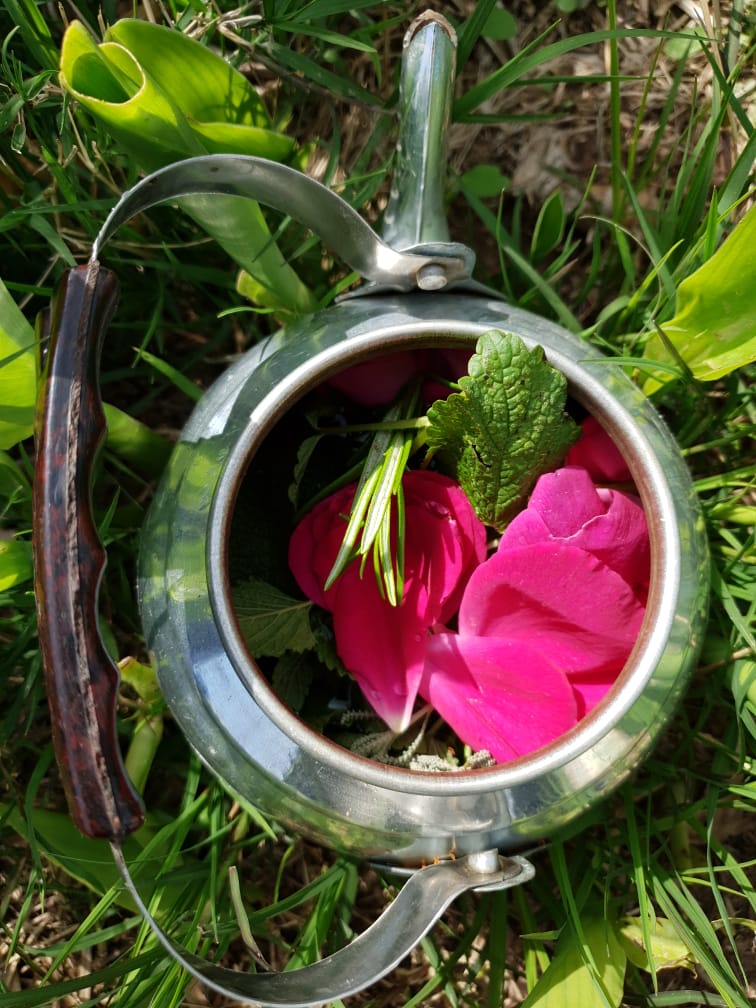
Each afternoon, when the garden work is done, Aveen brews her special Sidra Tea blend. Equal parts rose petals, lemon balm and rosemary steep together in boiling water, alongside smaller amounts of lavender, santolina and mint. For five minutes, the herbs simmer gently, releasing their flavours into the water, creating a drink the gardeners share together.
“The perfume and taste of the Damask rose are unmatched in their beauty and memory,” Aveen reflects. “Perhaps it is because the scent carries us back to the past, the good memories of what we have lost in our country.”
There is something so special in the moments when the gardeners gather, cups of tea in hand. It’s a time to discuss planting ideas, share seeds and take stock of their progress. These small gatherings offer a sense of belonging and connection in a place far from home.


Expanding to other camps
Thanks to your support, Sidra Tea’s healing power extends far beyond the Azadî Community Garden. When we began developing a new community garden, called Hêvî, in Gawilan camp, our team went door to door, offering the tea as a way to introduce the project. It opened conversations about what people wanted from the new space and helped build trust within the community.
Our garden facilitators continue to use Sidra Tea as a conversation starter to raise awareness about greening the camp environment and how they can get involved with growing at home and taking part in our annual garden and cooking competitions.


Led by the community, for the community
All of this work is led by displaced community members themselves. Across the nine camps in which we have a presence, 22 team members are employed directly from the camps, ensuring the gardens reflect the knowledge, culture and priorities of the people who use them. This approach ensures that traditions like Aveen’s Sidra Tea are preserved, celebrated and shared with others.


Make your own Sidra Tea at home
Ingredients
- Equal parts: Rose petals, lemon balm, rosemary
- A little: Santolina, lavender, mint
Method
- Add freshly picked leaves and petals to water and bring to the boil.
- Simmer for 5 minutes.
- Strain the tea, let it cool slightly and enjoy.
For dried ingredients, steep them for 5 minutes before boiling.


How to support our work
Donate today to support community gardens that heal, connect and preserve this cultural heritage.
- £25 could help establish herb plots in a new garden
- £50 could help provide drying equipment for another camp
Every donation supports community gardens that preserve cultural knowledge and bring people together. Thank you.


Harvest time can be a good opportunity to get together, share what we are growing, making or cooking and raise funds for Lemon Tree Trust. Whether you share homegrown produce, enjoy a meal with friends or organise a garden gathering, there are plenty of simple ways to bring people together and support our work. Whether … Continued

Lemon Tree Trust supporter Katie Cox recently raised £1,000 for our work, plus £250 in Gift Aid, by organising an arts and crafts fundraising event at her home and in her garden. Katie is pictured above wearing a rather fabulous green shirt covered in lemons. Katie’s donation was made during our Tree & Plant Appeal, … Continued

This spring, we launched our 2026 Tree & Plant Appeal with a target of £30,000 / $39,500 USD to help us grow and distribute trees and plants, both ornamental and productive, to families and communities living in refugee and internally displaced people’s camps in the Kurdistan Region of Iraq. Thanks to the incredible generosity of … Continued